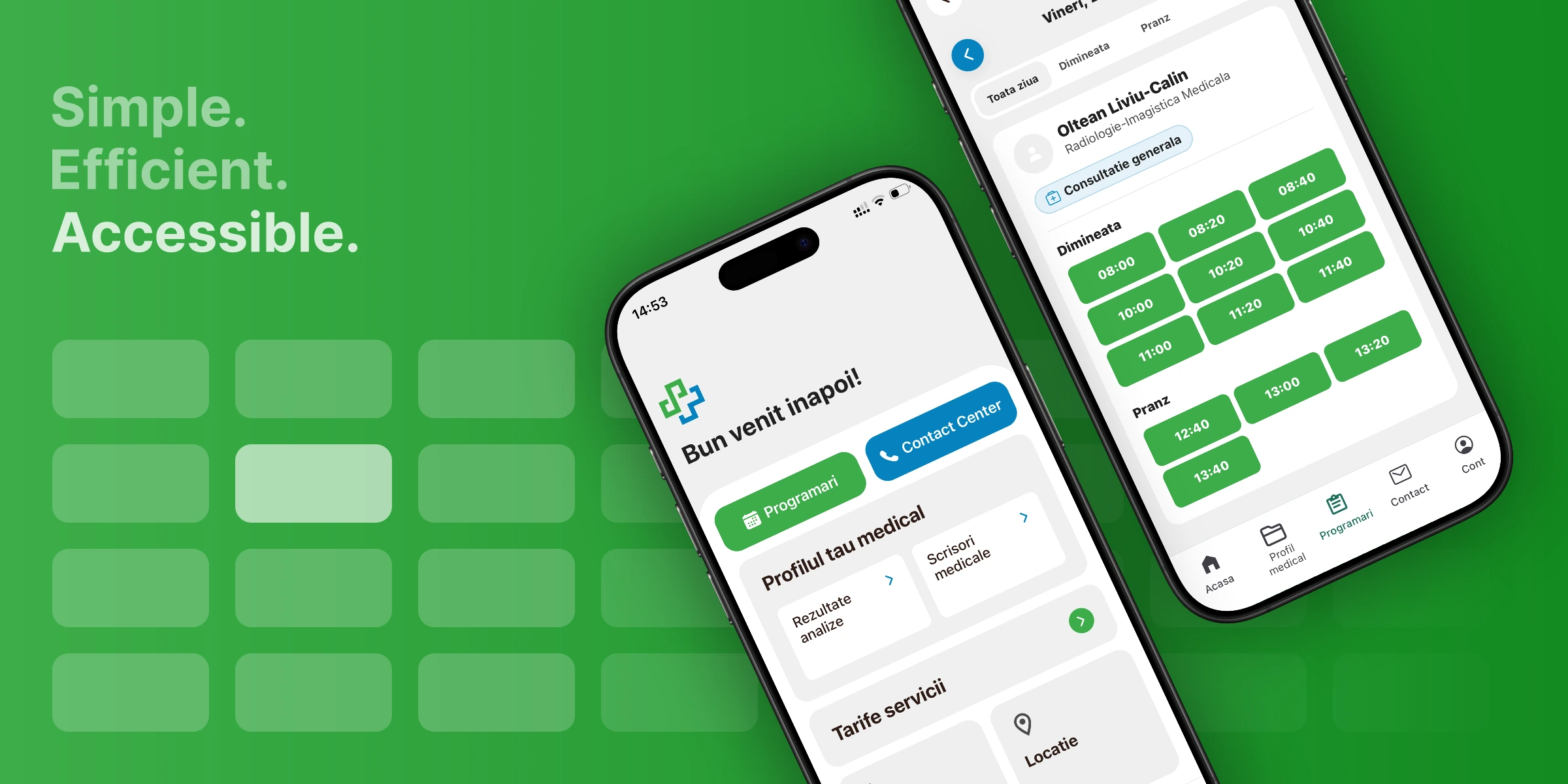
Four taps instead of a phone call.
We helped Sofimar move appointments and medical records onto patients’ phones, easing pressure on staff and cutting unnecessary clinic visits.
The problem
Booking meant a phone call during working hours, to a line busiest at exactly the times a patient is free. Results meant an email attachment, or a printout collected in person.
None of it is difficult; it's friction. And friction is why people put an appointment off until it stops being optional.
What we built
- Booking without a call. Tap a specialty and a service. App shows you the free slots, and you're booked.
- Records without a trip. Lab results, medical letters, prescriptions and imaging; all in one place.
- The rest of the clinic. Prices, the doctor list, the location, and one button to the contact centre for when an app is not what you want.
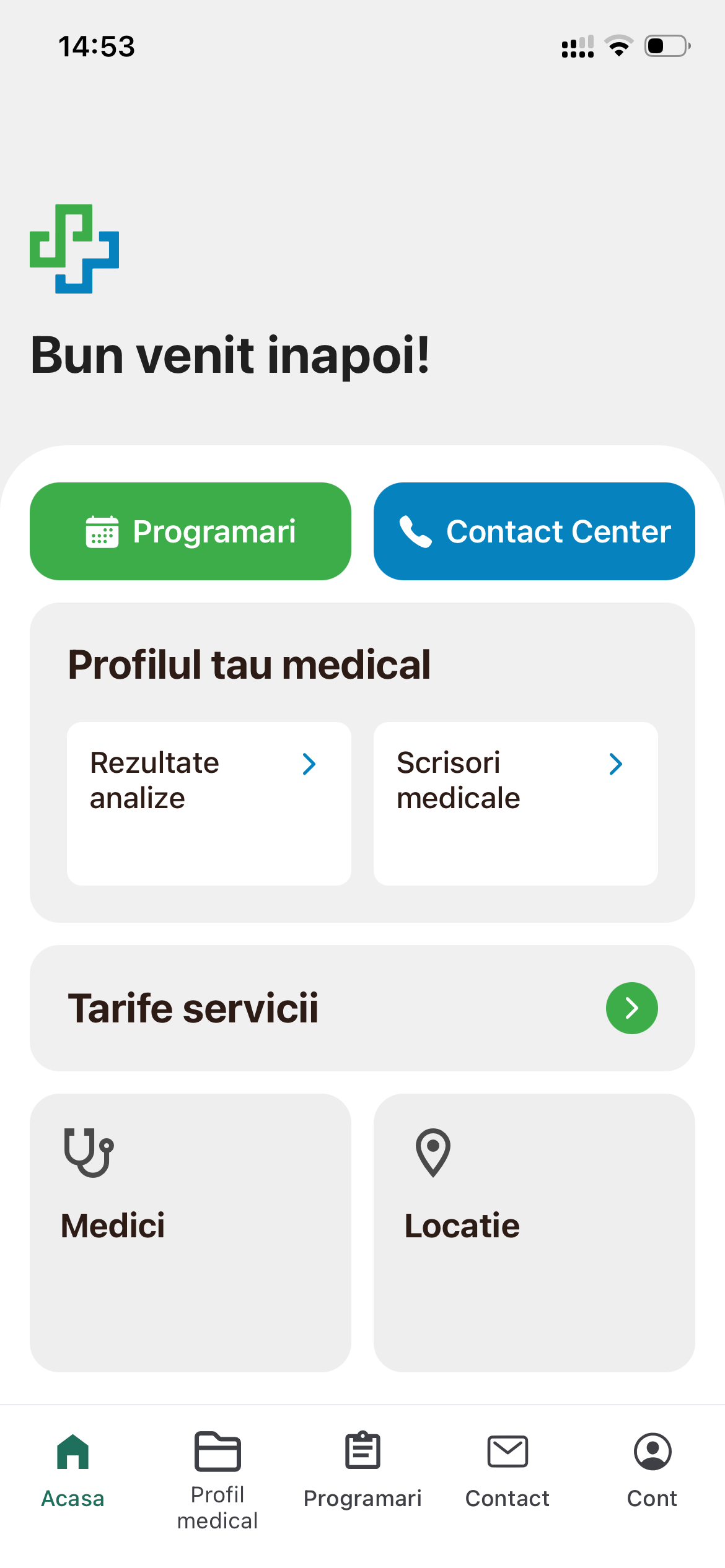
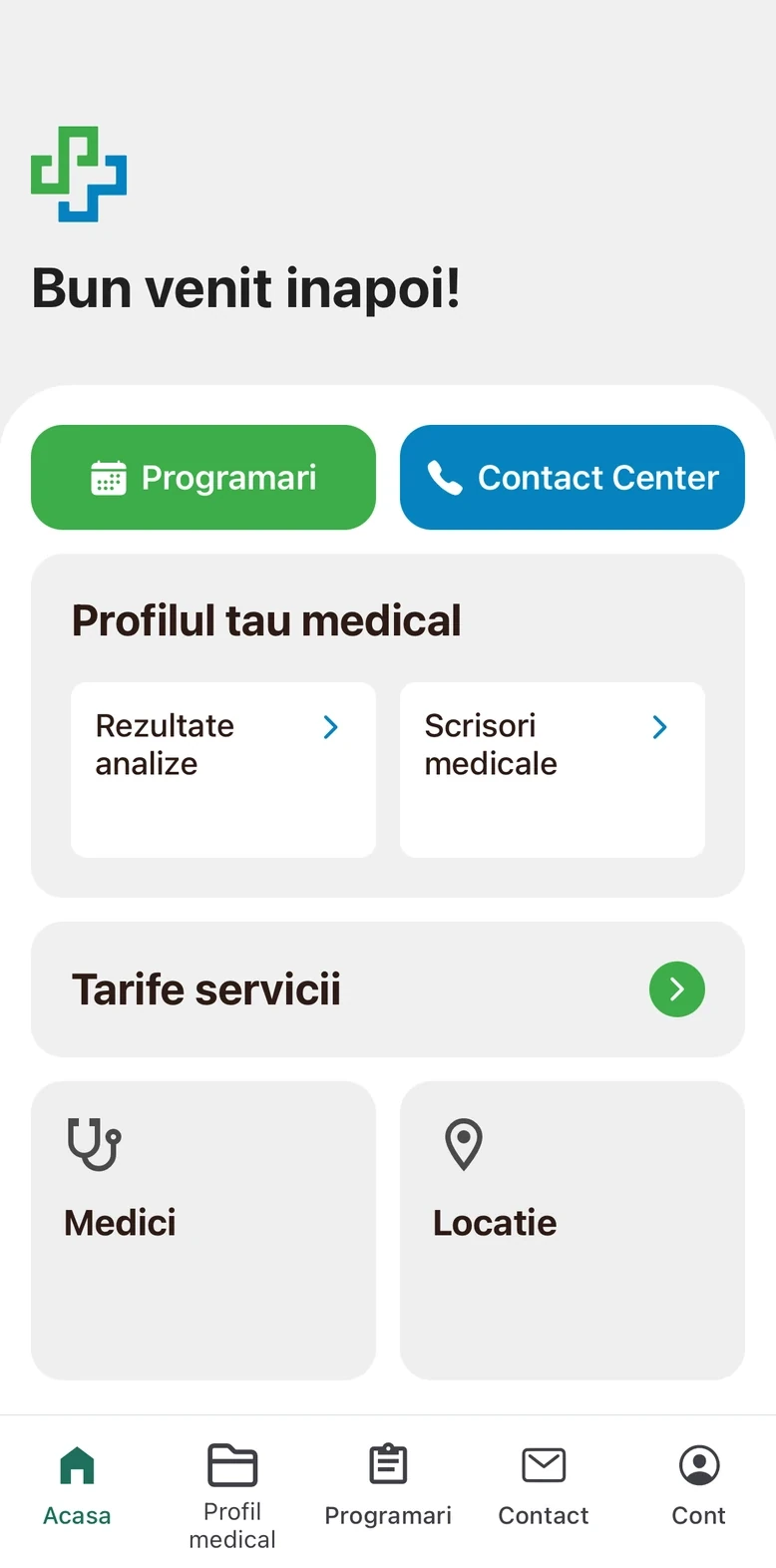
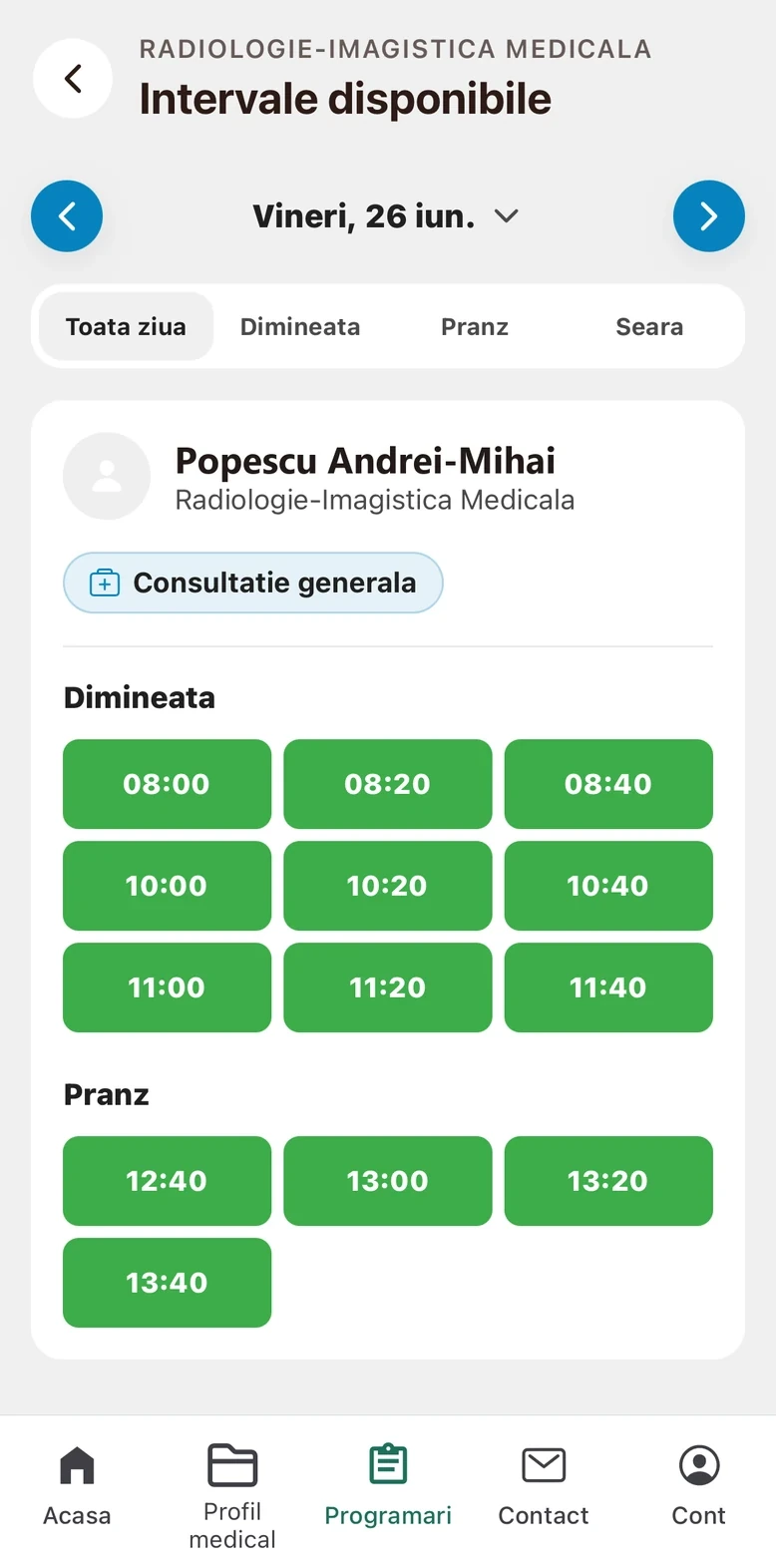
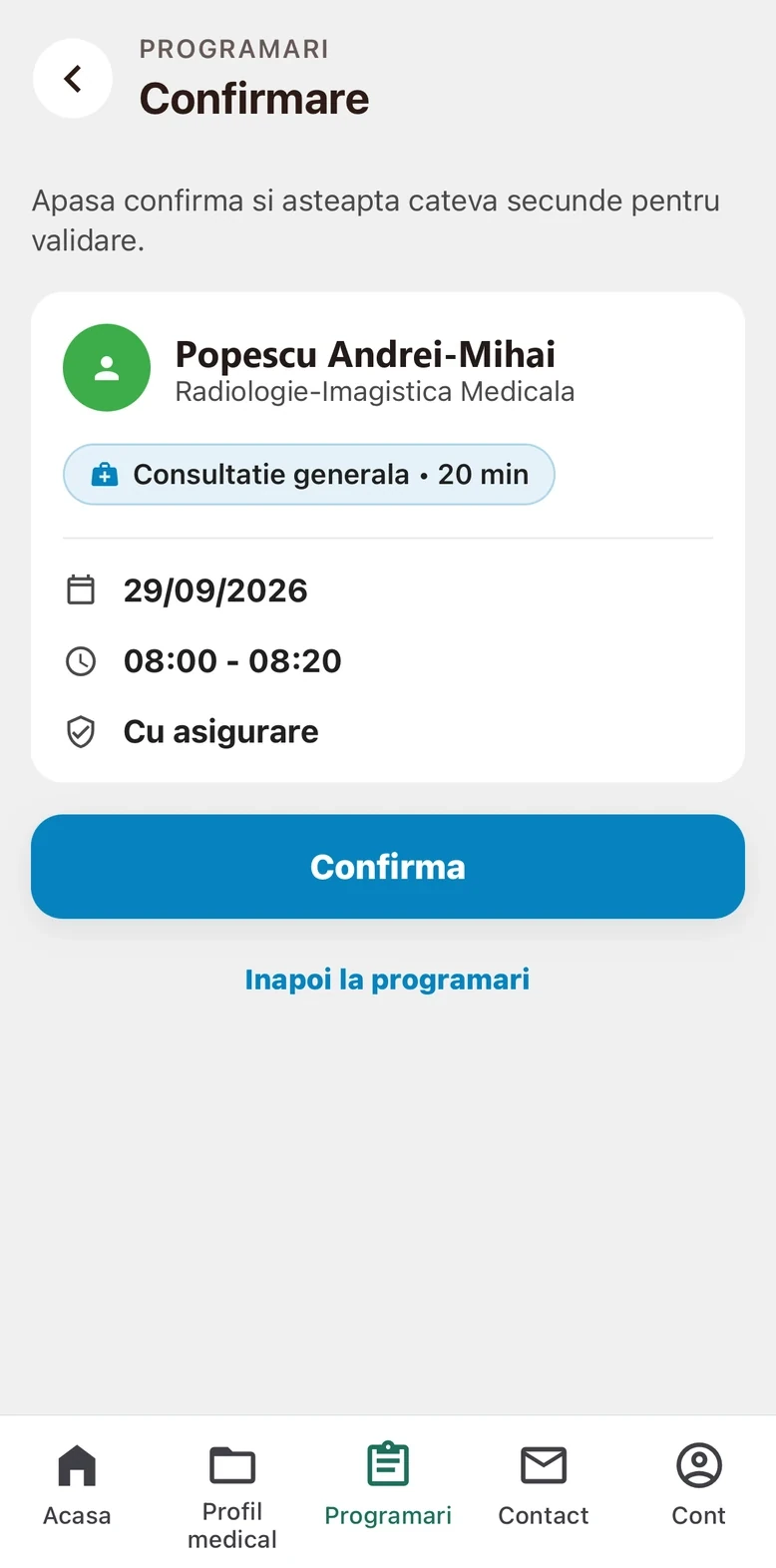
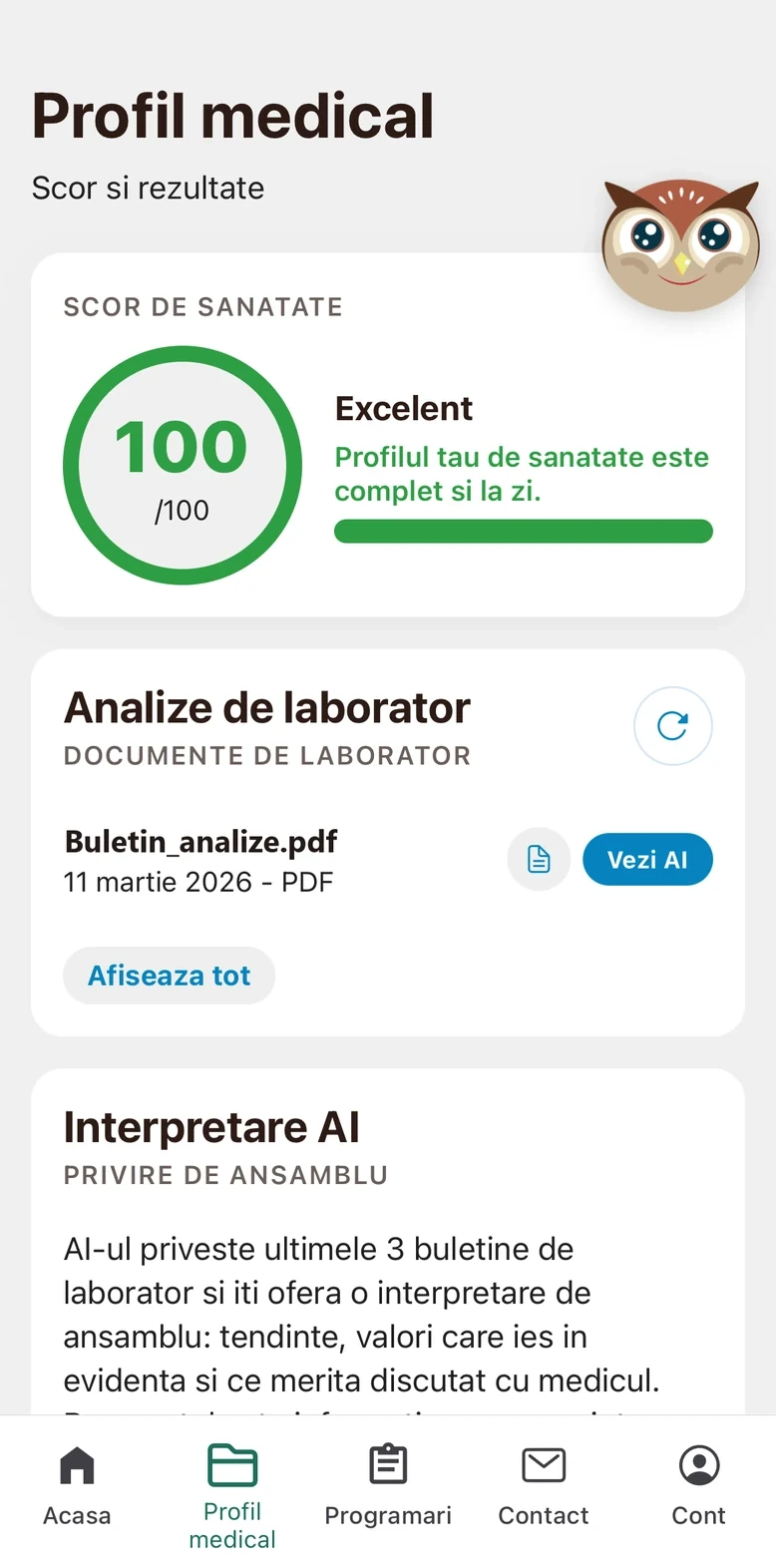
Every screen asks one question. That is the entire design.
Large targets, one decision at a time, and no screen that needs you to remember something from the screen before it. The people using this are often unwell, frequently older, and rarely on wifi.
The part underneath
The clinic already ran a practice-management system holding the calendars, the doctors, the price list, the appointments and the letters. It had no API. No endpoint, no export, no partner programme; a web interface for staff and nothing else. Replacing it was out of scope from the start.
So the API is ours: a headless browser worker that signs in as the staff does, reads what the app needs, and writes it into a database the app can treat as normal.
Two decisions made that usable rather than merely possible. Availability lookups are shared, so twenty patients opening the same Friday cause one crawl instead of twenty. And booking is a live attempt rather than an optimistic write, so it can never produce an appointment the clinic has never heard of.
Details
- Client
- Sofimar — a private medical centre in Bucharest
- App
- React Native and Expo · iOS and Android · Romanian
- Backend
- Google Cloud Run · Firestore · Cloud Storage · token auth with national-ID verification
- Integration
- Headless browser worker on Cloud Run, driven by a task queue: availability, appointment attempts, appointment sync, medical letters, catalogue
- In the app
- Booking · results and medical letters · service prices · doctor directory · locations · one-tap contact centre